

We support researchers across the humanities — literature, philosophy, history, linguistics, and cultural studies — with rigorous critical analysis and academic writing tailored to each discipline's methods and citation conventions.
Research methodologies we support
Literature Review
Comprehensive literature and critical review for humanities research.
Critical & Textual Analysis
Close reading, textual analysis, and critical theory application for literary and historical studies.
Academic Writing
Structured academic writing and editing for humanities manuscripts and theses.
Emerging Research & Technology Trends
Digital humanities methods — text mining, computational analysis of large text corpora, and digital archiving — are transforming traditional humanities research. Interdisciplinary approaches combining literature, history, and data science are increasingly common.
Suggested Research Topics
- →Computational text analysis of thematic patterns in a literary corpus
- →Digital archiving and accessibility of historical manuscripts
- →Comparative discourse analysis across translated literary works
- →The influence of oral history methods on contemporary historiography
10 High-Impact Humanities Research Topics for 2026
- 1Digital humanities methods: text mining and computational analysis of literary corpora
- 2AI-generated text and authorship: philosophical and literary questions of creativity and originality
- 3Postcolonial literature and the politics of translation
- 4Public history and community memory in digital archives
- 5Ethics of artificial intelligence: philosophical frameworks for machine moral agency
- 6Cultural memory and trauma studies in post-conflict societies
- 7Environmental humanities: literature and philosophy in the climate crisis
- 8Gender and identity representation in contemporary literature and media
- 9Oral history methodology in preserving marginalized community narratives
- 10Comparative religion and interfaith dialogue in pluralistic societies
New Methods, Archives & Critical Approaches
Digital humanities methods are moving from a specialist niche into mainstream practice — text mining and corpus linguistics for analyzing large bodies of literature, network analysis for mapping historical relationships, and GIS-based spatial humanities for tracing how places and movements intersect with texts and events. Artificial intelligence has become both a tool and a subject: AI-assisted textual analysis is speeding up close reading of large corpora, while AI-generated text is raising genuinely new philosophical and literary questions about authorship, creativity, and originality. Open digital archives and crowdsourced transcription projects continue to expand access to primary sources that were previously available only in person, making comparative and archival research more feasible for students without travel funding. At the same time, the field is placing growing emphasis on decolonizing the canon and curriculum, on environmental humanities as an interdisciplinary response to the climate crisis, and on oral history and community-engaged public humanities as methodologically rigorous approaches in their own right — not just supplements to textual analysis.
Trusted Humanities Research Resources
A major digital library of academic journals, books, and primary sources spanning literature, history, philosophy, and cultural studies.
A peer-reviewed, continuously updated reference work covering philosophical topics, thinkers, and traditions in depth.
A leading source of peer-reviewed humanities and social sciences journals and books from university presses and scholarly societies.
A digitized archive of European cultural heritage — books, art, manuscripts, and media — useful for primary-source and archival research.
An open digital library of classical texts and digital humanities tools, particularly strong for classics and ancient history research.
Request a Free Project Evaluation
Fill out the form below — the more detail you give us, the faster we can assess your project's scope, timeline, and price.
Research Fields We Support

Medicine & Health Sciences
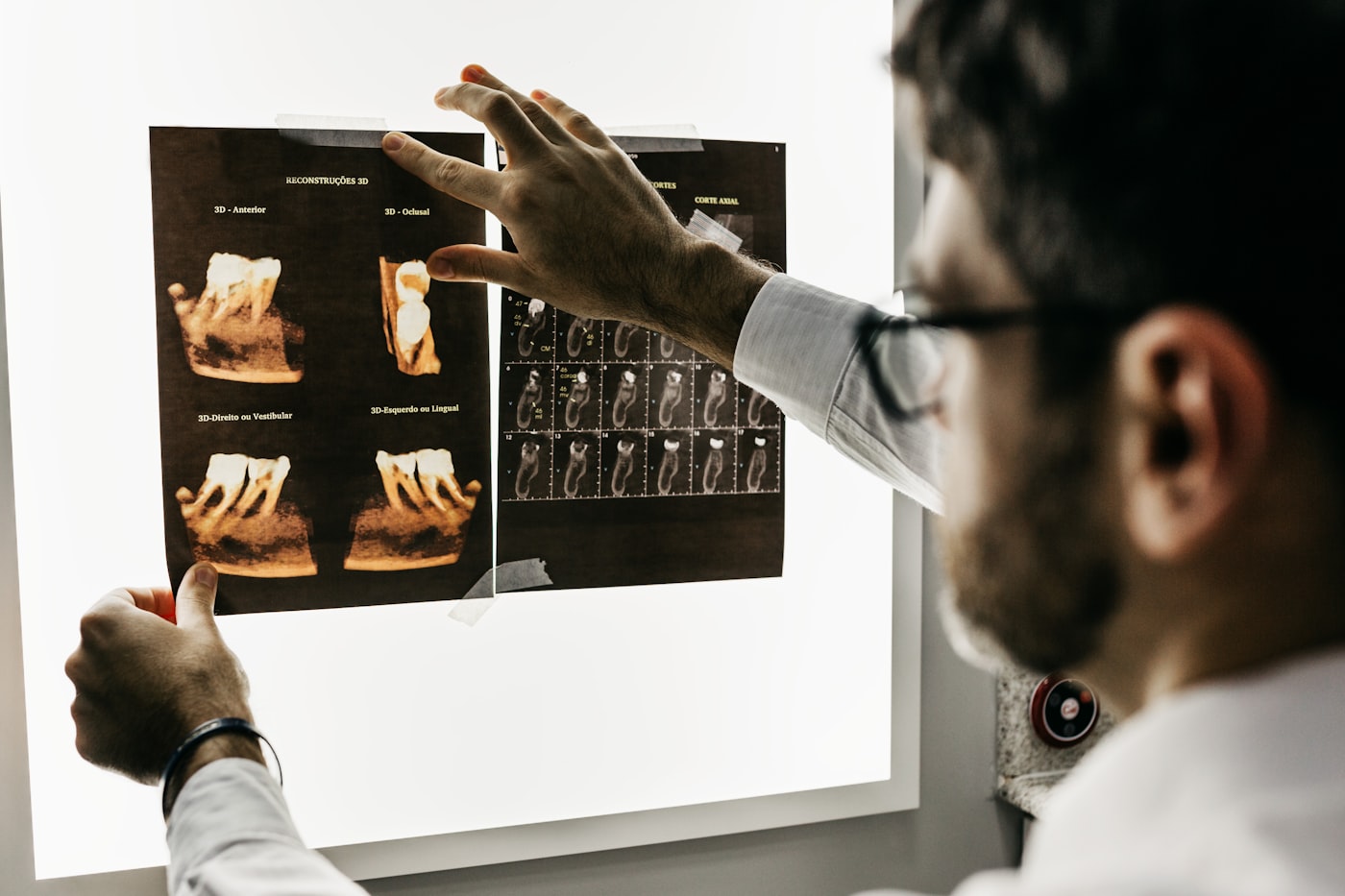
Dentistry & Oral Health

Architecture, Urban Planning & Design

Business, Management & Entrepreneurship

Computer Science, AI & Data Science

Engineering & Technology

Pharmacy & Biomedical Sciences

Psychology, Education & Social Sciences

Biological & Environmental Sciences

Economics, Finance & Accounting

Nursing, Rehabilitation & Public Health

Law & Political Science

Arts & Design

Electrical & Mechanical Engineering